
Famo Musa
Teaching Artist
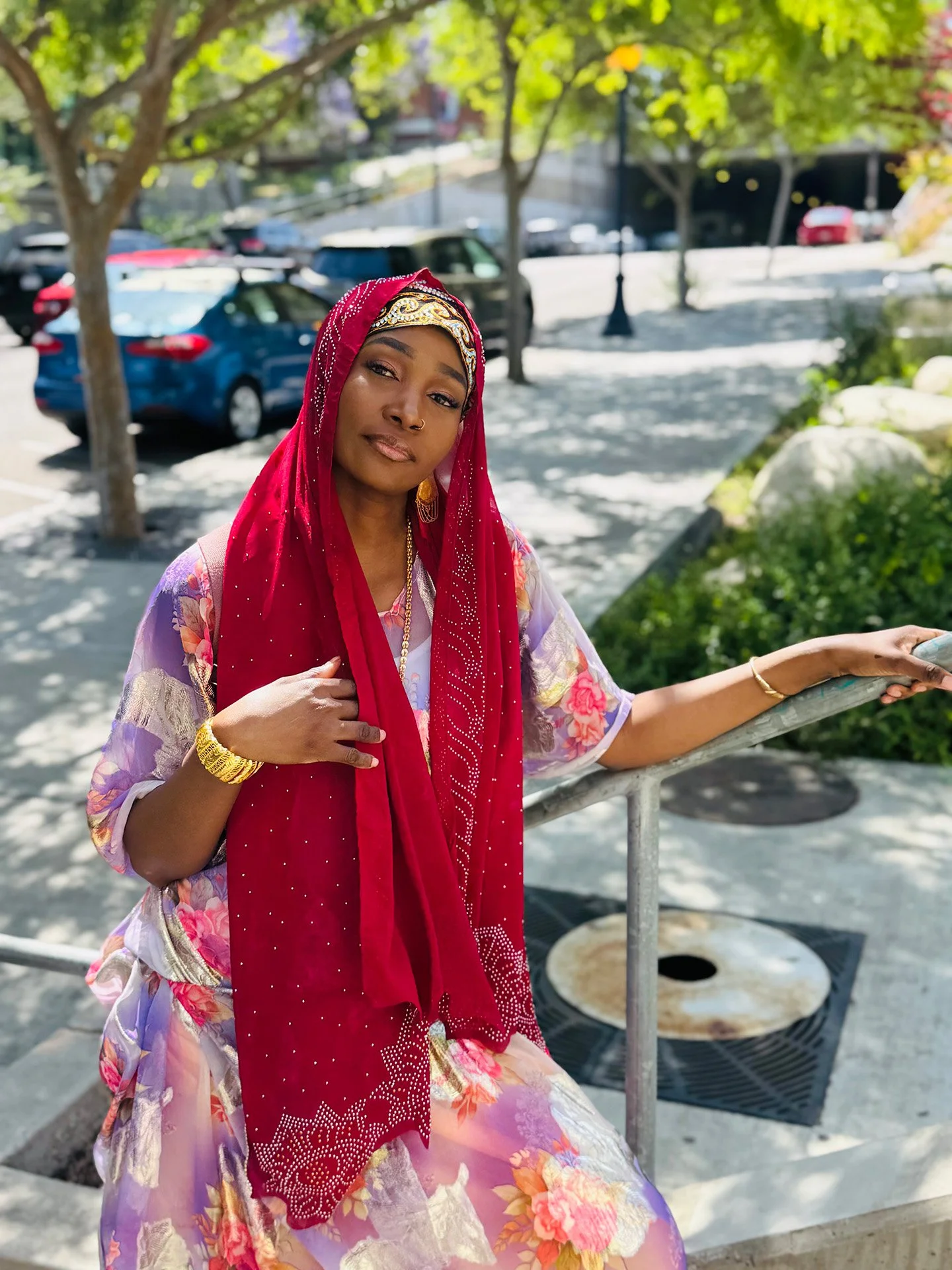
Famo Musa is a Somali-born artist, writer, photographer, and poet who was raised in Kenya and came to the United States as a refugee in 2004. Her multidisciplinary practice explores storytelling, memory, identity, and community. Through writing, photography, teaching, and poetry, she explores personal and collective experiences while creating space for underrepresented voices and perspectives.
Famo’s work is grounded in more than a decade of youth organizing, community advocacy, and arts education. She has worked as a Youth Organizer with the Global Action Research Center (Global ARC) for over ten years and as a Teaching Artist with the AjA Project. Her relationship with AjA began in 2006, when she joined the organization as a high school freshman. What began as a youth arts experience developed into a long-term commitment to creative education and community engagement. As a senior in high school, she completed an internship with AjA, later continued as a volunteer and participant, and joined the organization’s staff as a Teaching Artist in 2015, a role she held through 2022.
Famo has also co-founded several community-led initiatives, including the Parent-Student-Resident Organization, a school advocacy group focused on language justice in education, and City Heights Youth for Change (CHYFC), a youth-led advocacy organization centered on building power among young people in City Heights.
Writing has been a central part of Famo’s creative life since she learned English in high school. She holds a bachelor’s degree in Literature and Creative Writing from the University of California, San Diego. Her creative writing and journalism have appeared in review journals and through Speak City Heights, a collaborative journalism project involving KPBS, Media Arts Center, Voice of San Diego, and the AjA Project, with support from The California Endowment.
In March 2024, Famo published her debut poetry collection, Footprints, marking an important milestone in her ongoing journey as a writer and artist. Her work continues to draw from lived experience, family, displacement, belonging, and the power of storytelling to connect people and communities.